In most households, water is invisible—until it becomes a concern.
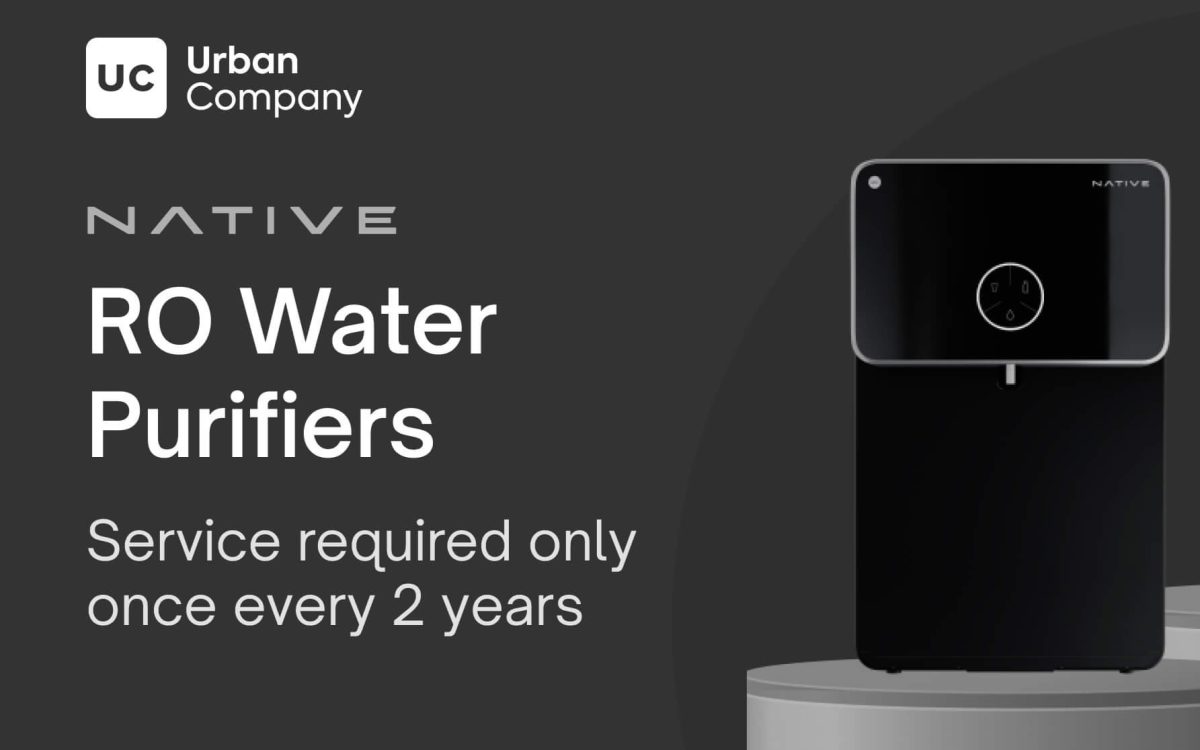
We drink it, cook with it, serve it to our families… but rarely pause to question it. And that’s exactly the emotional gap Urban Company tapped into with its Native RO campaign.
Instead of selling a machine, the brand told a story—one that quietly reminded people of something deeply personal: the responsibility of what we give to the people we care about.
This wasn’t just an ad. It was a reflection of everyday life—simple, relatable, and powerful enough to make you rethink something as basic as water.
The Strategy
At its heart, this campaign was built on a powerful human insight: people don’t actively think about water quality, but they deeply care about their family’s well-being.
Urban Company didn’t position the RO as a product—it positioned it as a silent protector in everyday life. The strategy was to shift the conversation from “Which purifier is better?” to “Am I doing enough for my family?”
- Insight-first approach: The campaign taps into a subtle but universal concern—uncertainty around water safety in Indian homes.
- Emotional reframing: Instead of focusing on purification, the messaging reframes water as something deeply personal and emotional.
- Trust over transaction: The goal wasn’t instant conversion but long-term trust, making the brand feel reliable and human.
Creative Execution
What makes this campaign stand out is how effortlessly it blends into real life. It doesn’t feel like a brand trying to sell—it feels like a moment you’ve lived before.
The storytelling is minimal, yet impactful. No loud claims, no heavy jargon—just a narrative that slowly unfolds and pulls you in.
- Real-life scenarios: Familiar settings, natural conversations, and everyday characters make the story instantly relatable.
- Subtle product integration: The RO isn’t aggressively showcased—it appears naturally within the narrative, almost like it belongs there.
- Emotion-led storytelling: The ad builds a quiet emotional arc—awareness, concern, and reassurance—without ever being dramatic or pushy.
Key Takeaways
This campaign is a perfect example of how modern marketing is evolving—from selling products to creating meaning. It shows that when brands truly understand their audience, they don’t need to be loud to be effective. Instead of pushing features, they focus on emotions, context, and relatability. Urban Company demonstrates that attention today is earned through authenticity, and when storytelling reflects real-life behavior, it creates deeper recall and stronger connections with the audience.
- Human insight over hard selling: The stronger and more relatable the insight, the less you need to push the product—people connect with what feels real.
- Subtle storytelling over noise: In a crowded digital space, soft, native-style content stands out more than aggressive, feature-heavy advertising.
- Trust over features: In categories like health and home, emotional reassurance and credibility influence decisions far more than technical specifications.