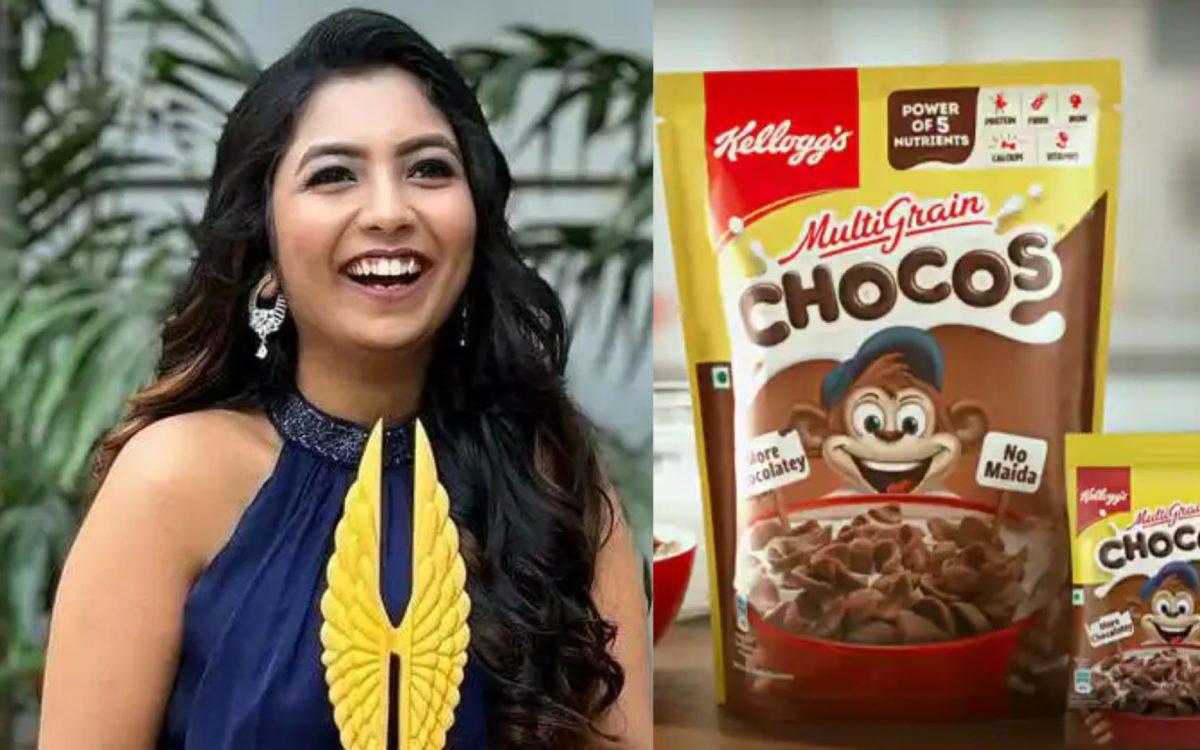
The Kellogg’s “No Maida” Chocos advertisement uses a clever “kitchen gate” metaphor to address a major parental concern: the use of refined flour (maida) in kids’ snacks. By personifying ingredients and literally blocking Maida from entering the kitchen, the brand visually reinforces its commitment to healthier alternatives. The campaign successfully balances the promise of nutritional value (fiber, ragi, and bajra) with the essential promise of chocolaty taste, proving that health doesn’t have to be boring.
1. The Strategy: Ingredient Gatekeeping
The core of this campaign is a direct response to the growing consumer demand for transparency in food ingredients, particularly for products aimed at children.
Identifying the Villain: The ad establishes “Maida” as the antagonist by physically barring it from the kitchen. This is a powerful visual shorthand for “not allowed” and “not healthy,” which resonates immediately with health-conscious parents.
Building a “Healthy House”: In contrast to Maida, the ad welcomes “Fiber” and various “Multigrain” ingredients like Sweet Corn, Bajra, and Ragi. By showing these ingredients gaining entry, Kellogg’s creates a “virtue by association” effect, where the final product is seen as the sum of its healthy parts.
Directly Challenging the Taste Myth: The ad addresses the common misconception that healthy food can’t be tasty. When “Maida” claims that nothing tasty can be made without it, the brand delivers its punchline: “Multigrain No Maida Chocos—tasty and nutritious without you”.
2. Creative Execution: Personifying the Problem
Kellogg’s turns a potentially dry nutritional claim into a funny, relatable story through personification.
The Kitchen Bouncer: The use of a “kitchen gate” with a guard creates a sense of exclusivity and protection. It tells the parent that Kellogg’s is acting as a filter, ensuring only the best ingredients reach their child’s bowl.
Relatable Dialogue: The dialogue between the ingredients like the small amount of sugar admitting it’s only “half a spoon” adds a layer of honesty and relatability. It feels less like a corporate lecture and more like a backstage pass to the kitchen.
Visual Clarity: The visual of “Maida” being pushed aside while the colorful, healthy grains walk in provides a clear, memorable image that reinforces the “No Maida” message without requiring deep technical knowledge from the viewer.
3. Key Takeaways: Transparency as a Value
This campaign demonstrates how brands can turn a product reformulation into a major marketing win by focusing on consumer trust.
Transparency Builds Trust: By being explicit about what isn’t in the product (Maida) and being honest about what is (multigrains and a bit of sugar), Kellogg’s builds credibility. Consumers value this level of direct communication.
Emotional Logic: The ad uses simple emotional logic healthy ingredients are “good” and allowed in; unhealthy ones are “bad” and stay out. This is a very effective way to communicate complex nutritional changes in a 46-second format.
Functional Benefit + Emotional Reward: The ad ends on the functional benefit (No Maida, high fiber) but ties it to the emotional reward of a “tasty” snack, ensuring the product remains attractive to the end-user: the child.