In the world of Indian advertising, few brands manage to touch the soul of the nation quite like Ghadi Detergent. For decades, the brand’s tagline, “Pehle istemal karein, phir vishwas karein” (Use it first, then trust it), has been synonymous with quality and honesty. However, in recent years, Ghadi has shifted its narrative from the laundry room to the living room, tackling a much tougher stain: the stain of social hypocrisy.
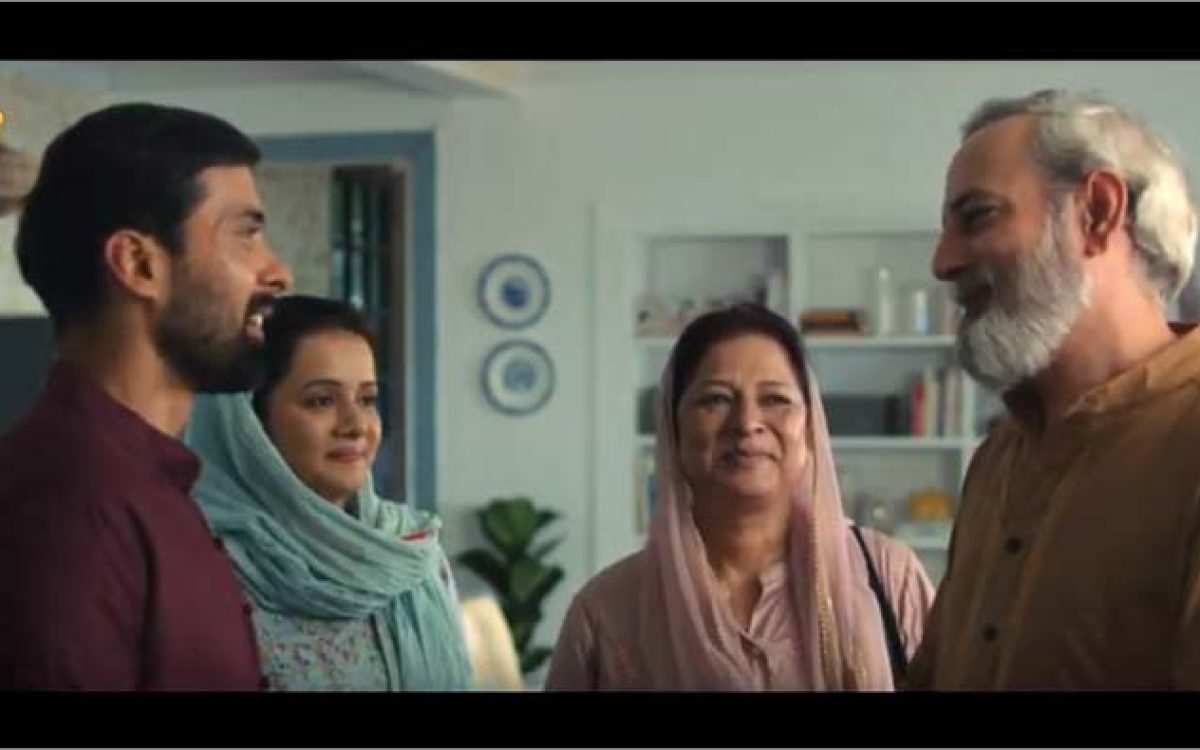
Their viral campaign, which features a son, a daughter-in-law, and a set of parents, sparked a nationwide conversation. It didn’t just sell soap; it sold a mirror to society.
The Strategy
Ghadi Detergent uses its platform to challenge the selective morality and double standards often found in Indian parenting and marital expectations.
Deconstructing the “Heroic Son” vs. “Subservient Husband”: The ad highlights a dangerous cognitive dissonance where a mother praises her son for being helpful, yet immediately shames him when that help is directed toward his wife. It exposes how domestic labor is viewed as a “noble favor” when done for parents, but “weakness” when done for a partner.
The “Log Kya Kahenge” (Social Shame) Myth: It directly confronts the toxic trope of the Joru ka Ghulam (a slave to the wife). By showing the mother’s instant shift from pride to embarrassment, the campaign identifies how social pressure often forces parents to suppress their children’s progressive values.
Brand as a Moral Mirror: By shifting from the physical act of washing stains to the metaphorical act of “washing the mind” (Saare Maill Dhul Jayenge), Ghadi positions itself as a brand that cleanses more than just fabric. It moves the product from the laundry bucket to the conscience, aligning the brand with emotional integrity and social evolution.
Creative Execution
The Ghadi ad uses a deceptively simple domestic setting to deliver a psychological “gut punch,” forcing the audience to confront their own subconscious biases.
The “Praise to Shame” Pivot: The dialogue masterfully captures the flip in the mother’s attitude. One moment, she is beaming with pride because her son brought her tea; the next, she is recoiling in shame because he ironed his wife’s clothes. This execution highlights how “helpfulness” in men is celebrated as a virtue only when it serves the older generation, but viewed as a lack of masculinity when it serves the spouse.
The Silent Observer: The father’s role as a silent observer who finally speaks provides the moral anchor. His intervention isn’t just a lecture; it’s a logical takedown of a social paradox. By having the patriarch of the family call out the hypocrisy, the ad lends authority to the message of equality.
The Metaphorical Tagline: The transition from the literal “cleaning of a stain” on the son’s shirt to the metaphorical “cleaning of the mind” (Mann ki Saaf-Safaai) is the ad’s creative heartbeat. It bridges the gap between a commodity product (detergent) and a social necessity (changing perspectives).
The Strategy
This campaign provides a blueprint for brands wanting to engage in social storytelling that feels authentic, relatable, and urgent.
- Emotional Resonance via Contrast: By using a quiet, domestic tea-time setting—typically associated with family harmony—to expose a deep-seated social hypocrisy, the ad creates a jarring contrast. It turns a “mundane” moment into a “teaching” moment that sticks with the viewer long after the laundry is done.
Empowering the Internal Support System: Unusually for such ads, the “hero” is the father/patriarch. By having the senior male figure call out the mother’s bias, the ad encourages male viewers and parents to rethink their roles. It suggests that true “honor” isn’t in maintaining a son’s dominance, but in fostering his empathy toward his partner.
Impactful Storytelling through Micro-Moments: The ad proves that you don’t need a grand cinematic scale to tackle heavy social issues. By focusing on a single shirt stain and a single sentence of dialogue, Ghadi effectively deconstructs the complex “Joru ka Ghulam” trope, proving that if the emotional core is strong, the message is undeniable.