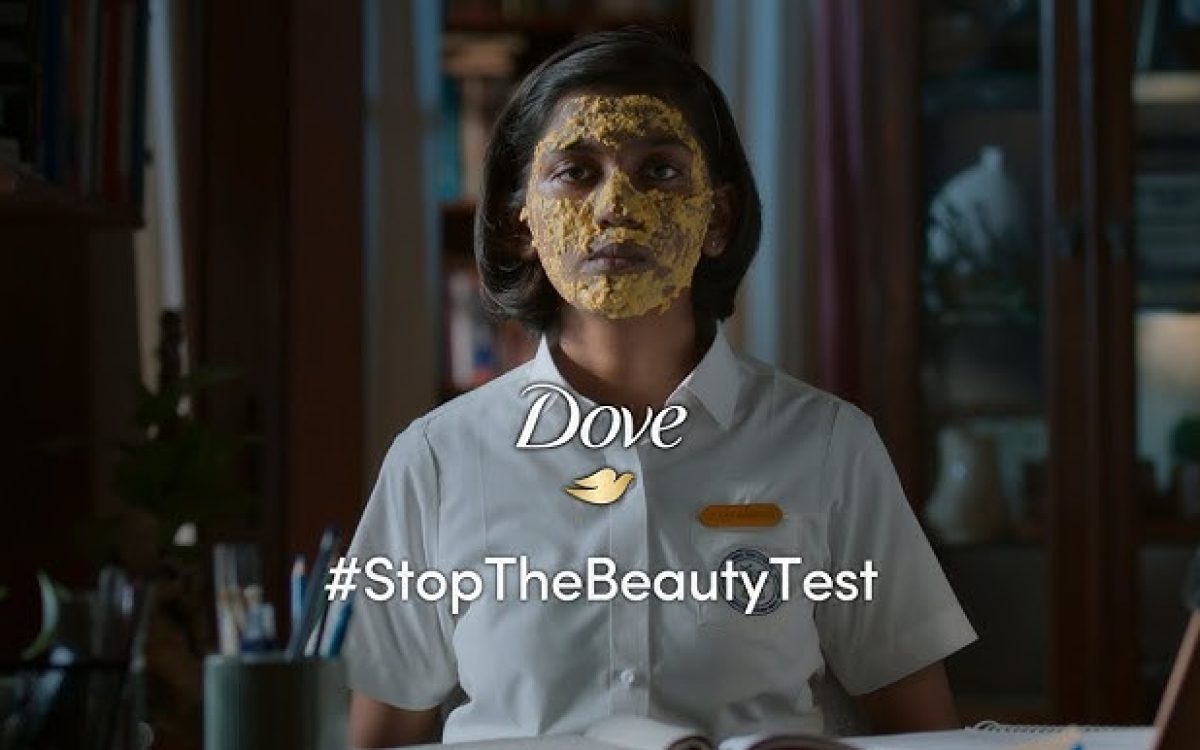
The Dove campaign is an emotionally resonant public service message that directly confronts the “Beauty Test” faced by young girls in India. The video reveals painful, culturally specific pressures, like being judged on complexion, body size, and even dowry for marriage prospects, starting from school age. By highlighting that 80% of Indian girls face this pressure, Dove positions itself not just as a soap brand, but as a vocal champion of self-esteem and a call to “Stop the Beauty Test”.
1. The Campaign's Deep Dive: Tackling a National Problem
Dove’s advertisement is much more than a product promotion; it’s a powerful and necessary social commentary. The campaign shines a light on the shocking reality that 80% of India’s girls face a “beauty test” from the time they are still school-going age. The brand uses its platform to address a silent cultural issue, where a girl’s worth is tied to her physical appearance rather than her intelligence or potential. The ultimate goal is to disrupt this deeply ingrained cycle of judgment and pressure, urging society to reconsider its standards for young women.
2. Deconstructing the Emotional Impact
The video achieves its emotional power by showcasing specific, culturally relatable scenes that feel deeply personal and painful:
The “Marriage Report Card”: One of the most heartbreaking segments shows a young girl’s relatives creating a “report card” for her marriage prospects. They openly judge her on her complexion (“rang roop”) and body size. The humiliation is magnified as they force her to suck in her stomach and hold her breath to get a smaller waist measurement.
The Price of Imperfection: The ad exposes the toxic logic taught to these girls: they are told that if they are not “beautiful,” the rules for their marriage will be different. Worse, they are told that the more visible marks (scars or spots) they have on their face, the more compromises they will have to make in life.
The Dowry Pressure: The campaign even touches upon the painful reality of financial demands, with a girl being told her father will have to give a car as part of the dowry before she can be married.
The False Lesson: The core message being taught to these young girls is that they should strive to become worthy of a “qualified man,” rather than working to become qualified themselves. The ad powerfully summarizes this feeling by showing girls being taught that “the mirror doesn’t love” them.
3. A Masterclass in Brand Mission
Dove’s campaign is a strategic triumph because it moves beyond selling product benefits and instead sells a shared value and mission.
Authority Through Empathy: By deeply understanding and accurately portraying the pressures faced by Indian women, Dove gains enormous credibility and emotional authority. This level of empathy makes the brand feel like an ally, not just a seller of beauty products.
The Call to Action: The campaign shifts its tone from sorrow to empowerment, urging viewers to “Take your eyes off this beauty report card” and instead “look me in the eye”. This powerful call transforms the viewer from a passive observer into an active participant in changing the cultural narrative.
Owning the Cause: The campaign culminates in the simple, forceful demand: “Dove says: Stop the Beauty Test”. This statement is a brand position, a social rallying cry, and a commitment, successfully cementing Dove’s status as a leader in challenging harmful beauty standards worldwide.